
Blepharoplasty (Eyebags)
Blepharoplasty (Eyebag removal) is a procedure that can address several areas.
Upper Blepharoplasty
Upper Blepharoplasty corrects the upper eyelid hooding that patients perceive is making them look tired or sleepy. The incision is placed along the eyelid crease and out into the crow’s foot area to reduce skin excess maximally. Application of eye makeup will also be easier afterwards since the upper crease is redefined. Some patients can have an asymmetry where one eyelid or eyebrow is heavier than the other and this needs individualised assessment for suitability. The procedure can be carried out under local anaesthetic as a day case and the example below is a six week result.
Lower Blepharoplasty
Lower Blepharoplasty corrects the lower eyebags by removing fat and skin through an incision placed in the eyelash margin and extending in to the crow’s foot area. This will address the bulging and improvement of lines in this area, leading to a freshened appearance.
Combined with upper blepharoplasty, this procedure is ideal for rejuvenation of the upper third of the face.
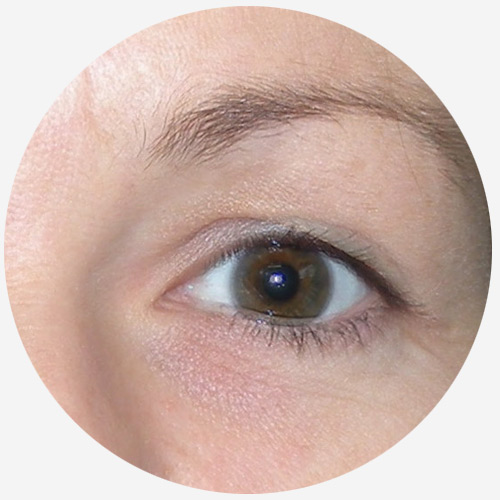

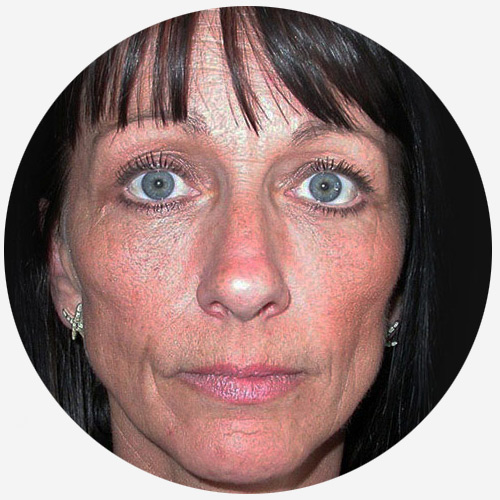


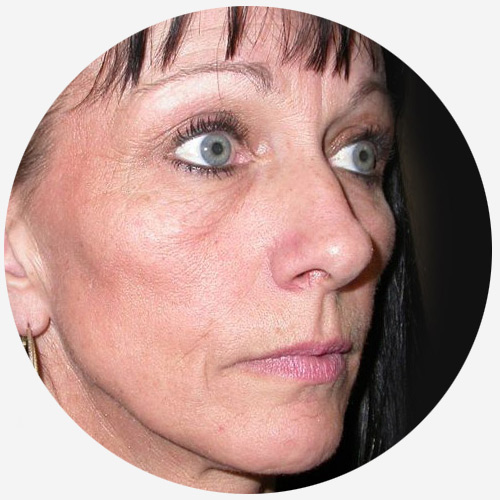
Cheeklift will address the malar (cheek) bags where the fat has dropped over the cheek rim of the eye socket. This is done through the lower blepharoplasty incision to access the middle of the face and allow resuspension of the malar elements along with removal of lower eyelid fat and skin lines. This has the effect of restoring upper cheek volume and the midfacial area as shown in the example (above and middle) at three months. Both Lower Blepharoplasty and Cheeklift are done under general anaesthetic as an overnight stay.
General FAQs
Who can have blepharoplasty procedures?
Upper blepharoplasty can be performed on the majority of patients under local anaesthetic as a day case. Lower blepharoplasty needs to be done under general anaesthetic and hence you will be required to have good medical health.
Can Botox/fillers affect the result?
Patients have often use Botox to try and artificially elevate the eyebrows. For the actual procedure and we would advise that all traces are gone.
How long is recovery?
All stitches are removed at five days and minor swellings may exist for several weeks. We will show you examples of this during consultation.